New art works capture Tresco’s unique hybrids
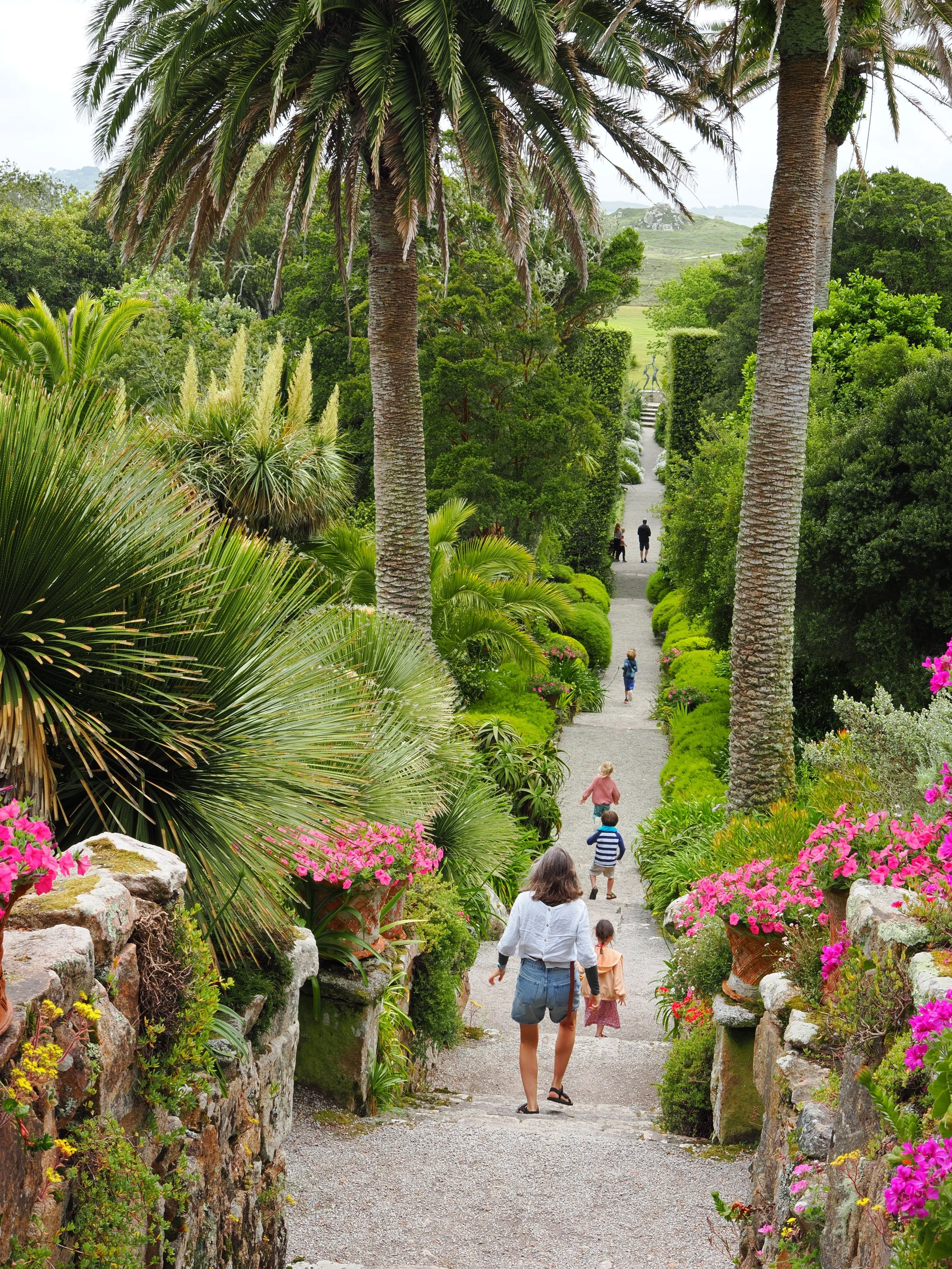
On the tiny island of Tresco, 28 miles off the Cornish coast, something extraordinary is happening – creating hybrid plant species that exist nowhere else on Earth.
Plants from five continents have been growing side by side in the lush, sub-tropical Abbey Gardens on Tresco for 150 years. In that time, they have begun cross-pollinating to create unique hybrids, entirely undocumented until now.
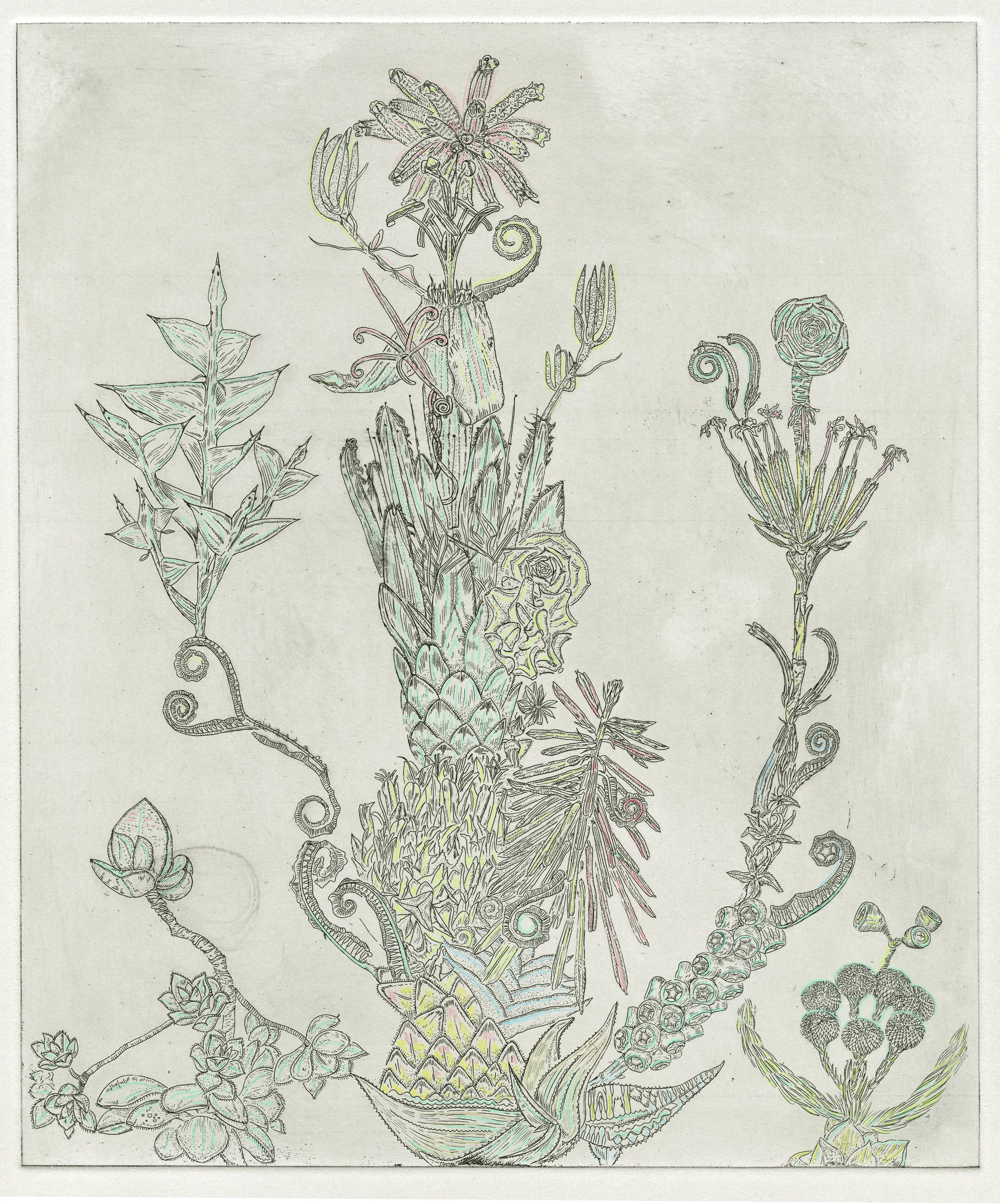
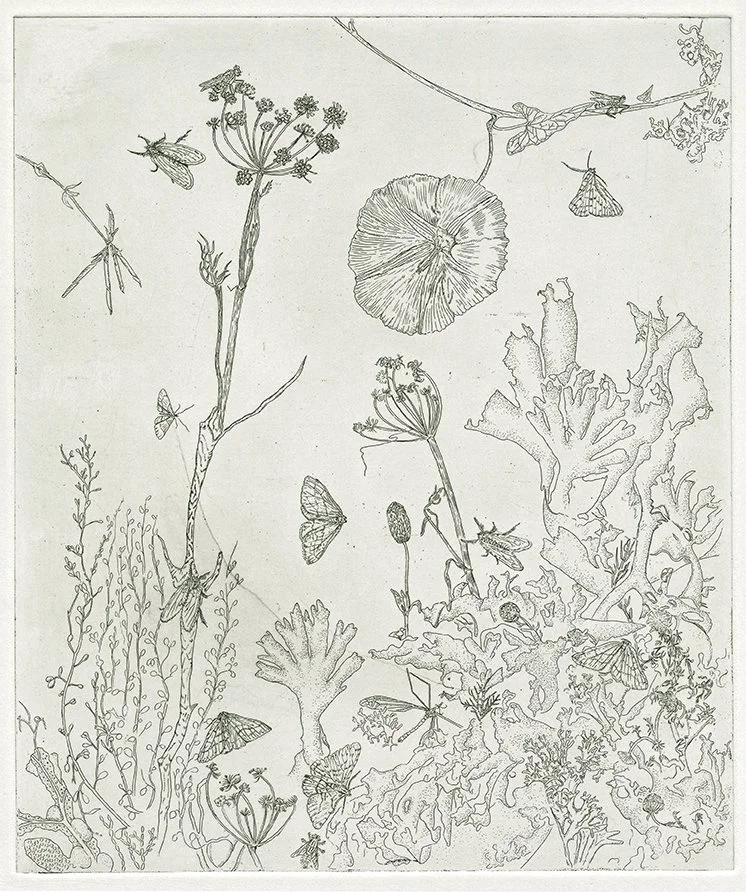
Now artist and researcher Dr Gemma Anderson has been commissioned by the Isles of Scilly Museum and Cultural Centre to create new work showcasing these unique plants for the Tresco Abbey Garden History Room and opening Summer 2026.
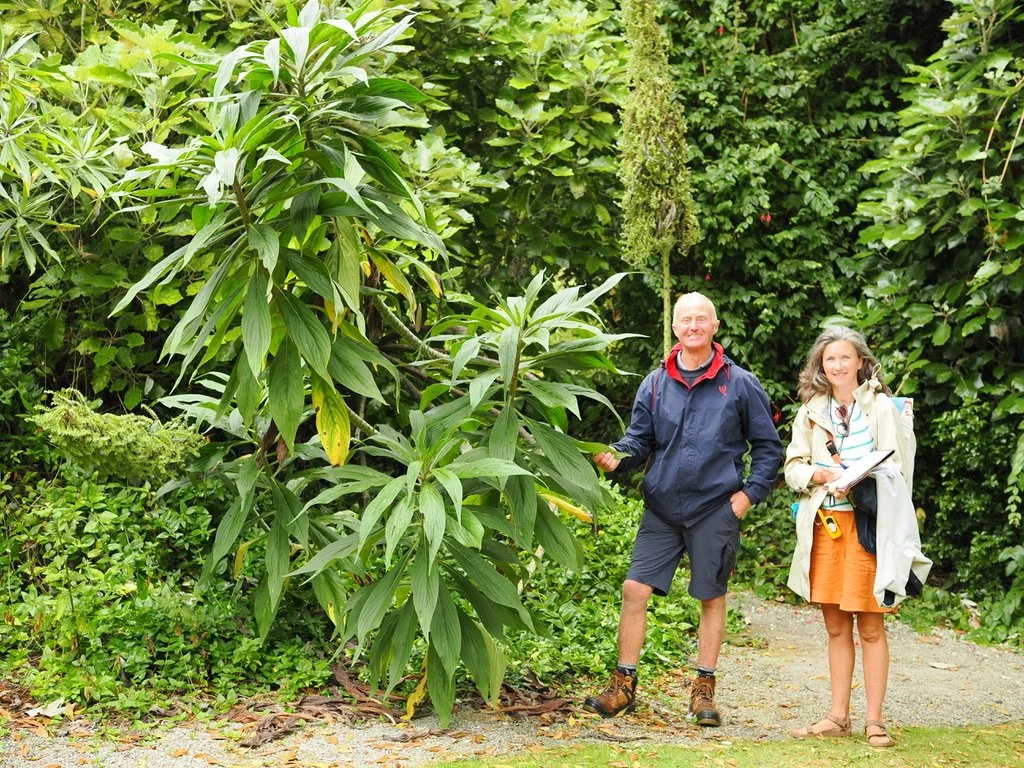
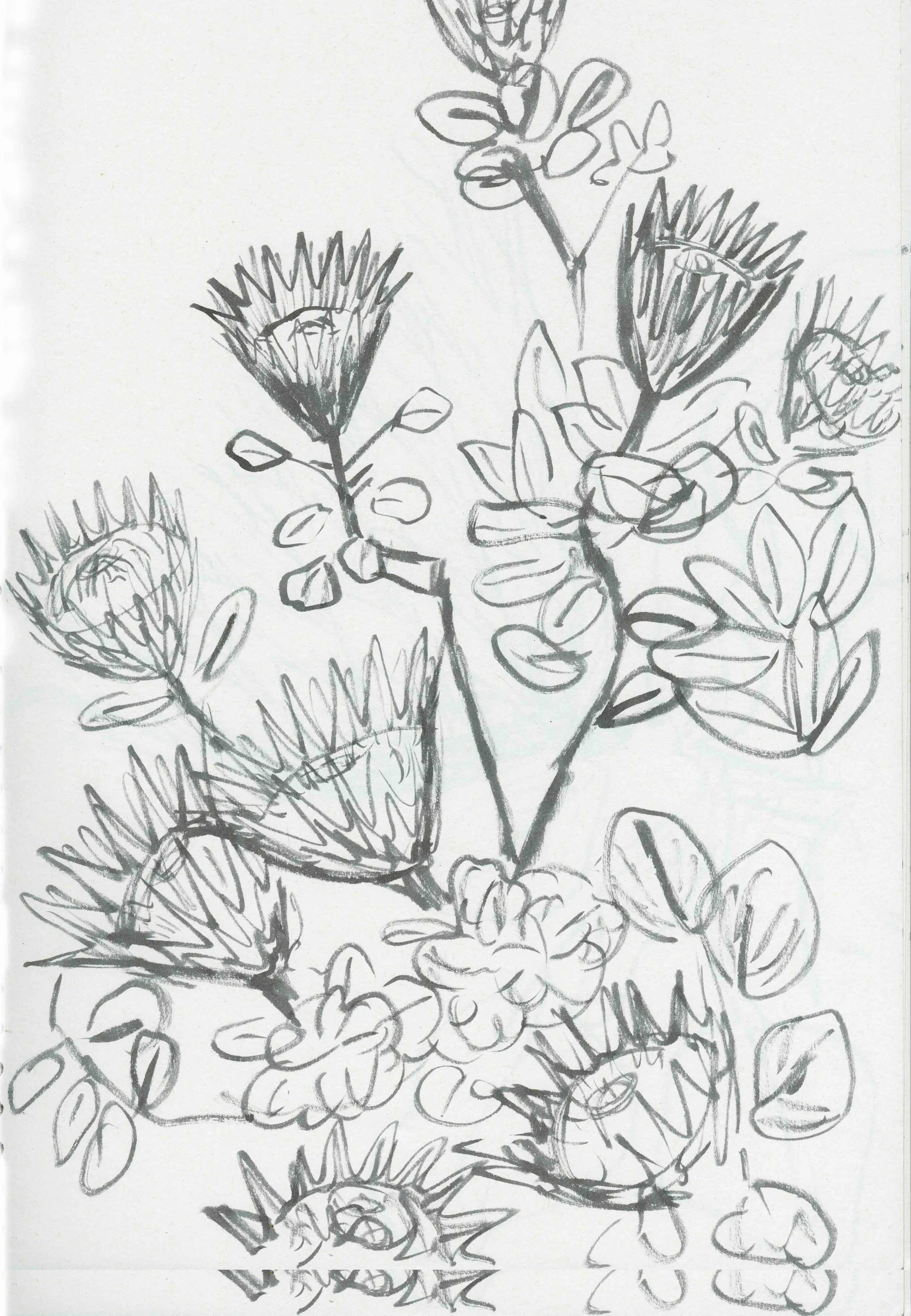
Like the Victorian plant hunters whose discoveries fill the gardens, Anderson is working alongside Head Gardener Andrew Lawson and his team, documenting and cataloguing new hybrids through her art work and capturing the elements which make the species such as Watsonia 'Tresco Hybrid' and Olearia x scilloniensis unique in the plant world. The garden team are also in the process of hybridising an echium that stems from the Canary Islands and Madeiran species, as well as combining types of aeonium.
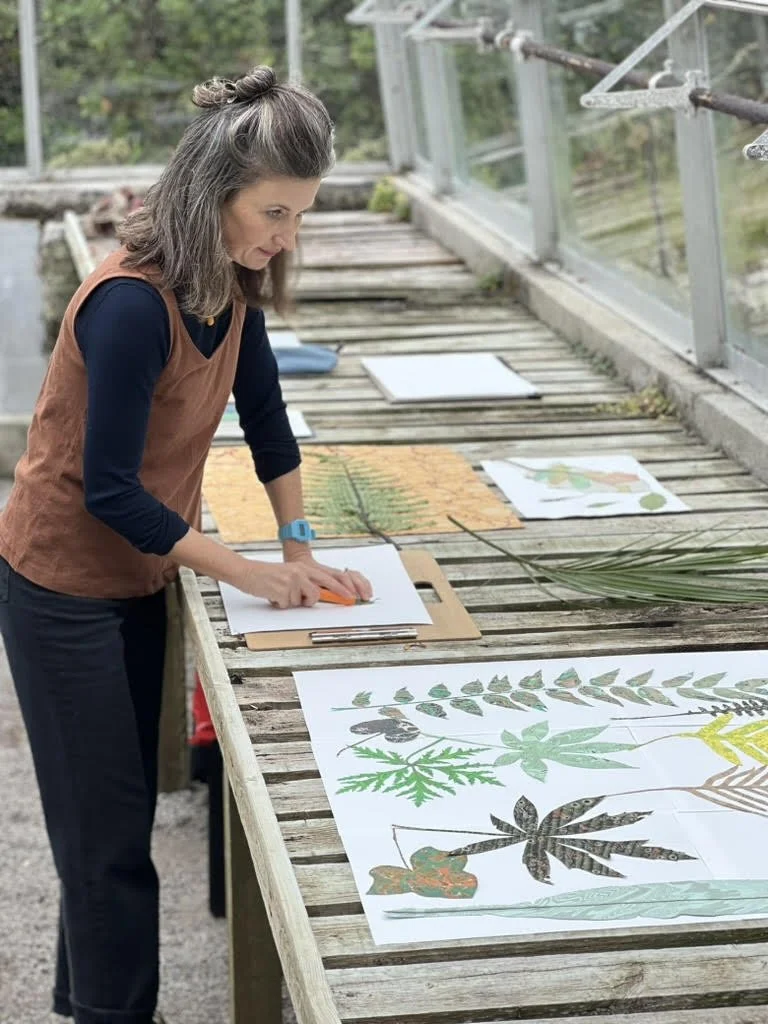
Gemma Anderson has been conducting artistic fieldwork on the Isles of Scilly for over a decade, initially accompanying Natural History Museum scientists on specimen-collecting expeditions. Through this work, she identified a gap: scientists under institutional pressure collected more than they could process, leaving no time for the slow observation that might reveal hidden ecological relationships.
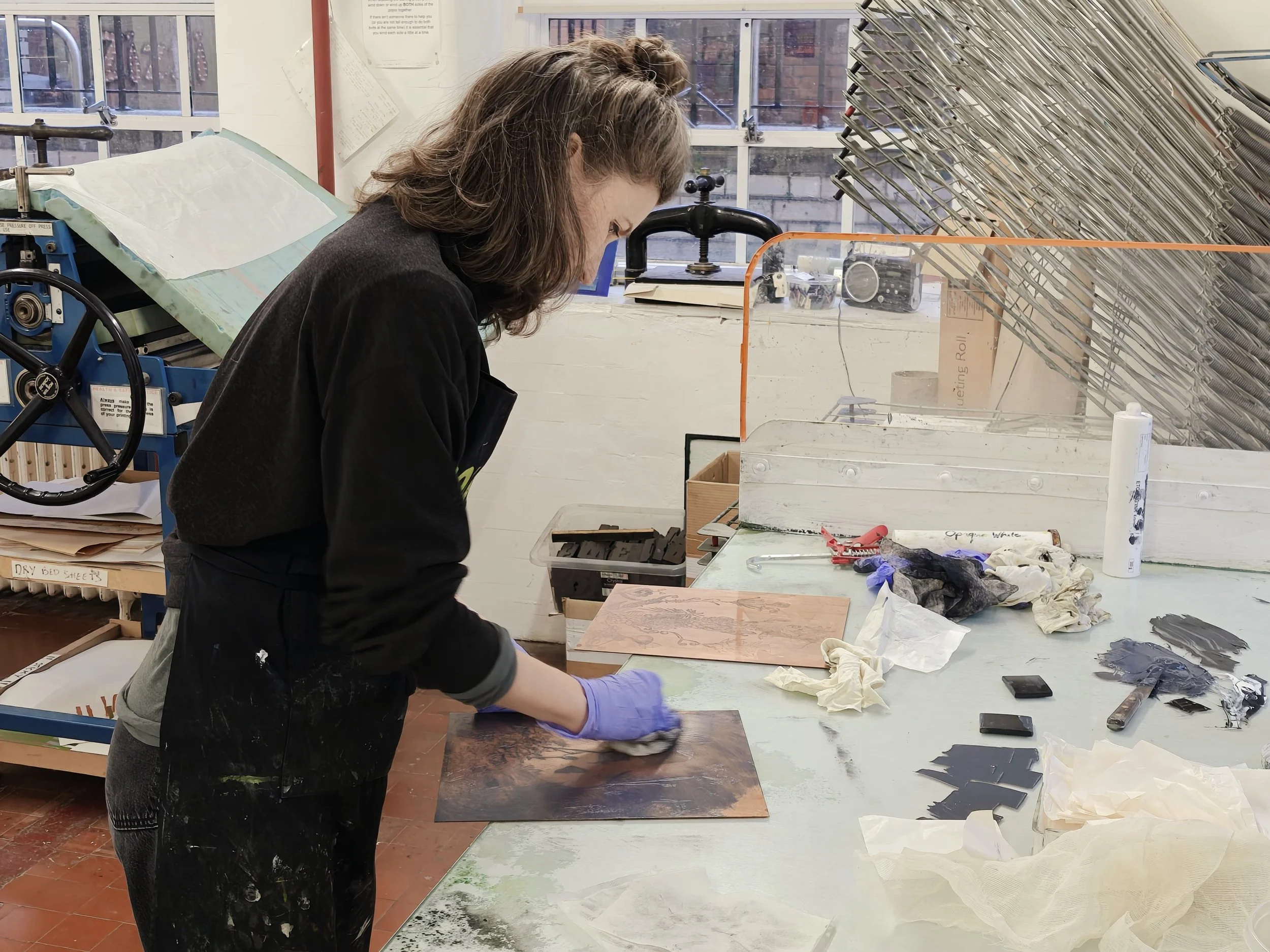
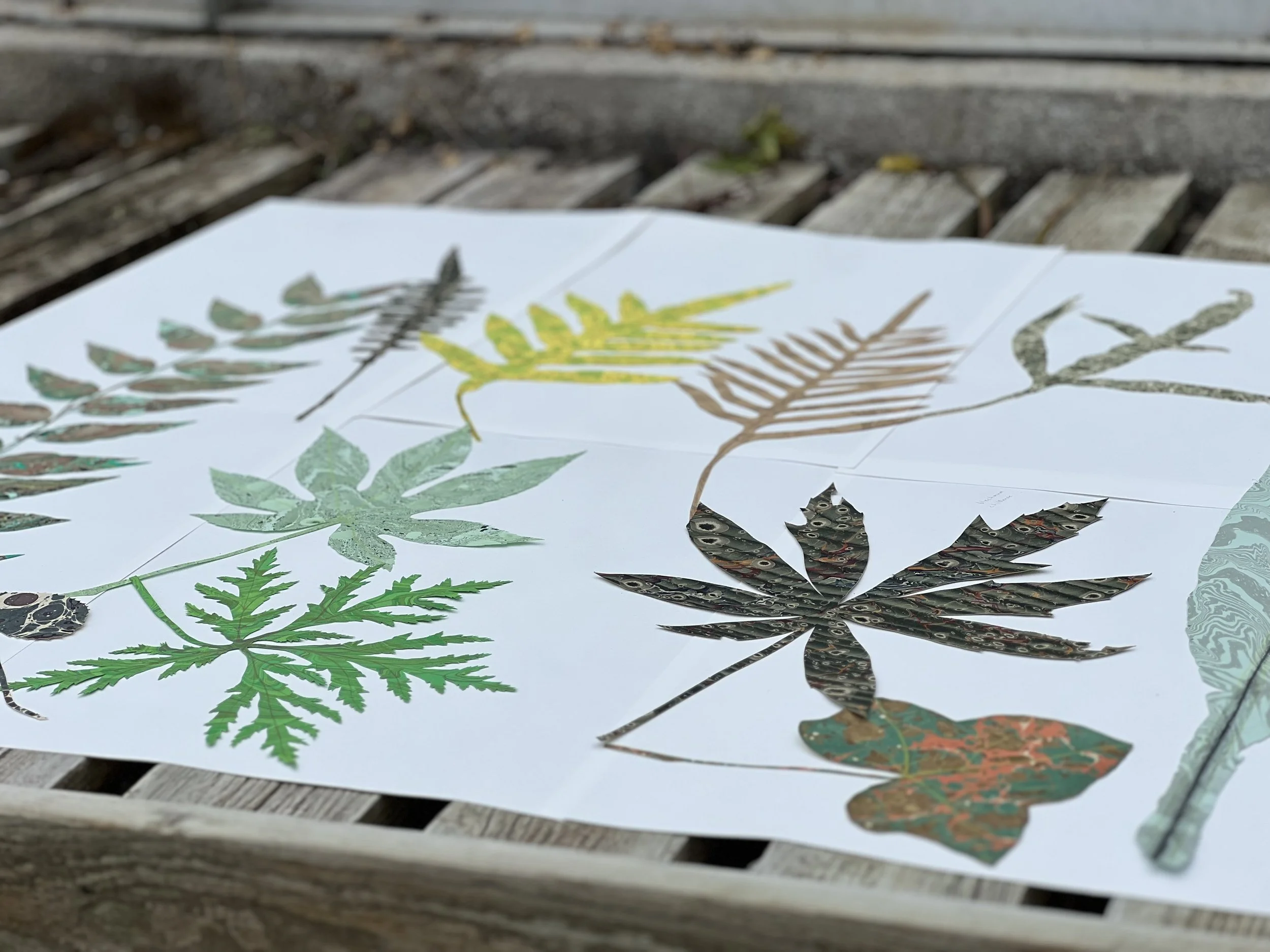
Anderson's latest project on the Isles of Scilly, The Collected Uncollected, centres on Isomorphology—a methodology she developed during her PhD that uses slow, detailed drawing to reveal hidden patterns across species. The commission is part of the Isles of Scilly Museum and Cultural Centre’s programme across the islands and will include original artworks for the museum, a participatory fieldwork guide and activity sheets for visitors, and a programme of workshops teaching the principles of creative fieldwork.
The work explores the scientific mysteries unfolding at Tresco Abbey Gardens, where 3000 species from Mediterranean climate zones are producing hybrid offspring that challenge our understanding of what 'native' even means in an age of climate change and global movement. Anderson will document previously unseen ecological relationships through detailed drawings and create resources that transform passive visitors into active observers.
The Tresco project is supported by the Foyle Foundation, Arts Council England and National Lottery Heritage Fund. It is part of the Isles of Scilly Museum and Cultural Centre project, a transformational multi-million pound project delivering a high-quality and accessible space for heritage, arts and culture at the Town Hall in Hugh Town, St Mary's. Opening in late 2026, it will offer a museum comprising four new permanent galleries over two floors, a flexible theatre space, a family history room, and a café and social area for residents and visitors.
About the Artist
Dr Gemma Anderson is an artist and researcher whose work generates what she calls scientifically informed visions: images that emerge at the intersection of art, science, and lived experience. Through drawing, she develops a feminist epistemology that values risk, uncertainty, and collaborative knowledge-making. Her practice operates as a social and philosophical intervention into scientific culture, using iterative image-making to refine concepts and make visible what remains hidden from conventional observation.
Drawing serves as Anderson's primary methodology; a way of knowing that creates conditions for slowness, deep thinking, and reflection. She works with materials rooted in place, from collaborative and relational process drawing to fieldwork for direct observation and creating earth pigments from geological formations that anchor abstract concepts in tangible matter. This approach embodies what she considers epistemological degrowth: a deliberate resistance to extraction and acceleration in favour of patient, embedded inquiry.
Anderson's research spans multiple scales, from molecular processes to higher-dimensional geometry. Her work has been exhibited internationally at prestigious venues including the Kröller-Müller Museum (Netherlands), ZKM Centre for Art and Media (Germany), and Camden Arts Centre (London), and is held in numerous public collections including the Victoria and Albert Museum. Her peer-reviewed books Drawing as a Way of Knowing in Art and Science (2017) and Drawing Processes of Life (2023) demonstrate her expertise at the intersection of artistic and scientific methodologies.
Motherhood has profoundly shaped her practice. Her Artangel commission And She Built a Crooked House (2023) fused the experience of parenting twins with four-dimensional spatial thinking, exploring concepts like being in two places simultaneously and turning inside out, genuine phenomenological investigations into embodied maternal experience. The commission was visited by over 6,500 people with workshops for over 500 school students.
Anderson is currently also developing a major commission for the Royal Albert Memorial Museum in Exeter: the first artistic body-map visualisation of the human mycobiome, the invisible fungal communities living across our skin, lungs, and gut. Working with the MRC Centre for Medical Mycology, she is mapping fungi that can shift from harmless inhabitants to deadly pathogens. The material process mirrors her Scilly fieldwork: making pigments from Devon's red sandstone and Triassic soils, embedding the very earth where fungi thrive into life-sized body maps.